About
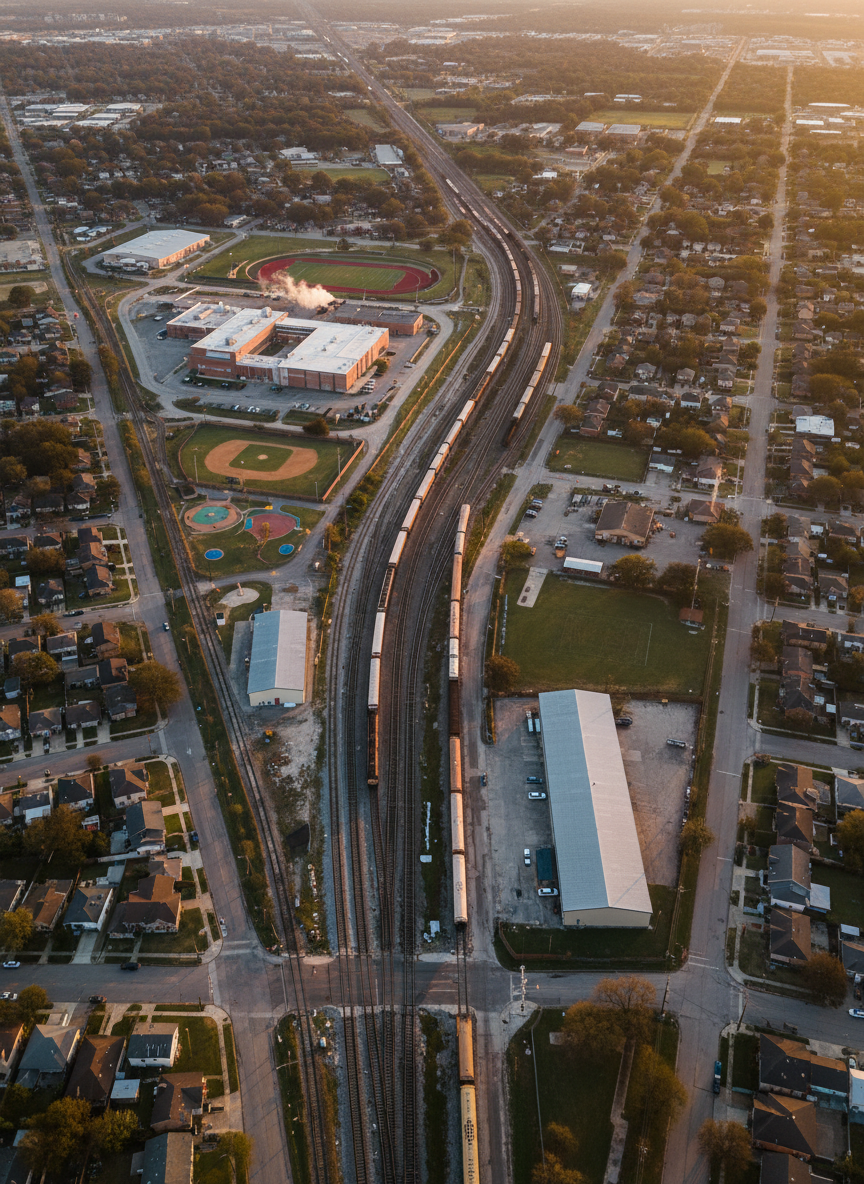
Houston’s East End and Fifth Ward have carried more than their share.
Decades of industrial facilities, freight corridors, and infrastructure decisions have concentrated environmental burden, blocked crossings, and limited mobility in communities of color — while wealthier parts of the city were spared.
Now, Union Pacific and Norfolk Southern want to merge into the largest freight railroad in North American history. And if history is any guide, our most overburdened communities will be asked to absorb the consequences once again.
Not Another Houston means exactly what it says. Not another generation of decisions made over our heads. Not another infrastructure project that treats the East End and Fifth Ward as the path of least resistance. Not another empty promise.
This fight isn’t over, and neither are we.
Not another Houston
Houston Has Been Here Before — and the STB Knows It
When the STB approved the CPKC merger in 2023, Houston’s East End was already under strain from three active rail corridors forming what residents call the “train trap triangle.”
The STB acknowledged the risk, warning that if CPKC’s traffic increases proved worse than projected, it would step in to address congestion in Houston. It imposed no proactive infrastructure requirements.
Harris County Commissioner Rodney Ellis called it out directly during those proceedings: it is “morally imperative” that the impact on Houston’s most vulnerable communities be fully studied before a merger moves forward. It wasn’t then. It hasn’t been since.
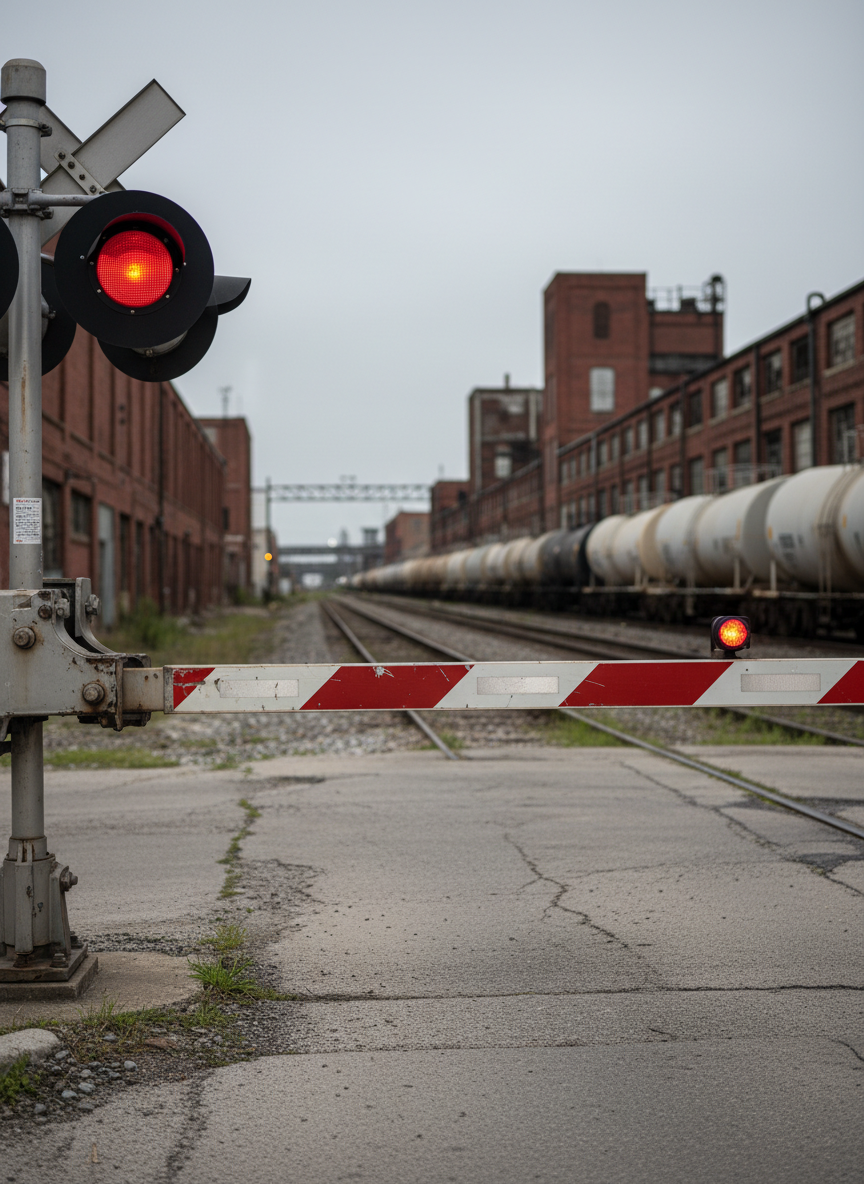
The result? A 10-minute blocked crossing reporting threshold that emergency responders say is dangerously inadequate. Waste removal is blocked from reaching landfills. Children are climbing through stalled rail cars to get to school. And now, a proposed UP-NS merger that would dwarf CPKC in scale — running through the same corridors, through the same neighborhoods, with the same communities bearing the cost.
The STB said it didn’t want Houston to become a problem. It already is one. The UP-NS merger cannot move forward without enforceable, community-level protections for Houston’s East End — not promises, not liaison committees, not a 10-minute rule. Real conditions. Real accountability.
 Not Another Houston